A guide
How to make a room look expensive
Expensive-looking rooms are almost never the result of expensive things. They are the result of more decisions. Most people make four. There are nineteen.
The four everyone makes
Paint colour. Sofa. Rug. Curtains. Those four are the ones people agonise over, and they are the reason a room can be full of perfectly nice things and still feel unfinished — because nothing is deciding anything about anything else.
The fifteen that actually do the work
- The sheen of the paint. Flat, eggshell, satin, gloss. The same colour in gloss is a different room. In a small or windowless space, gloss roughly doubles the light.
- The width of the trim. Standard builder’s trim is narrow. Deeper skirting and casings make ceilings read higher and rooms read older.
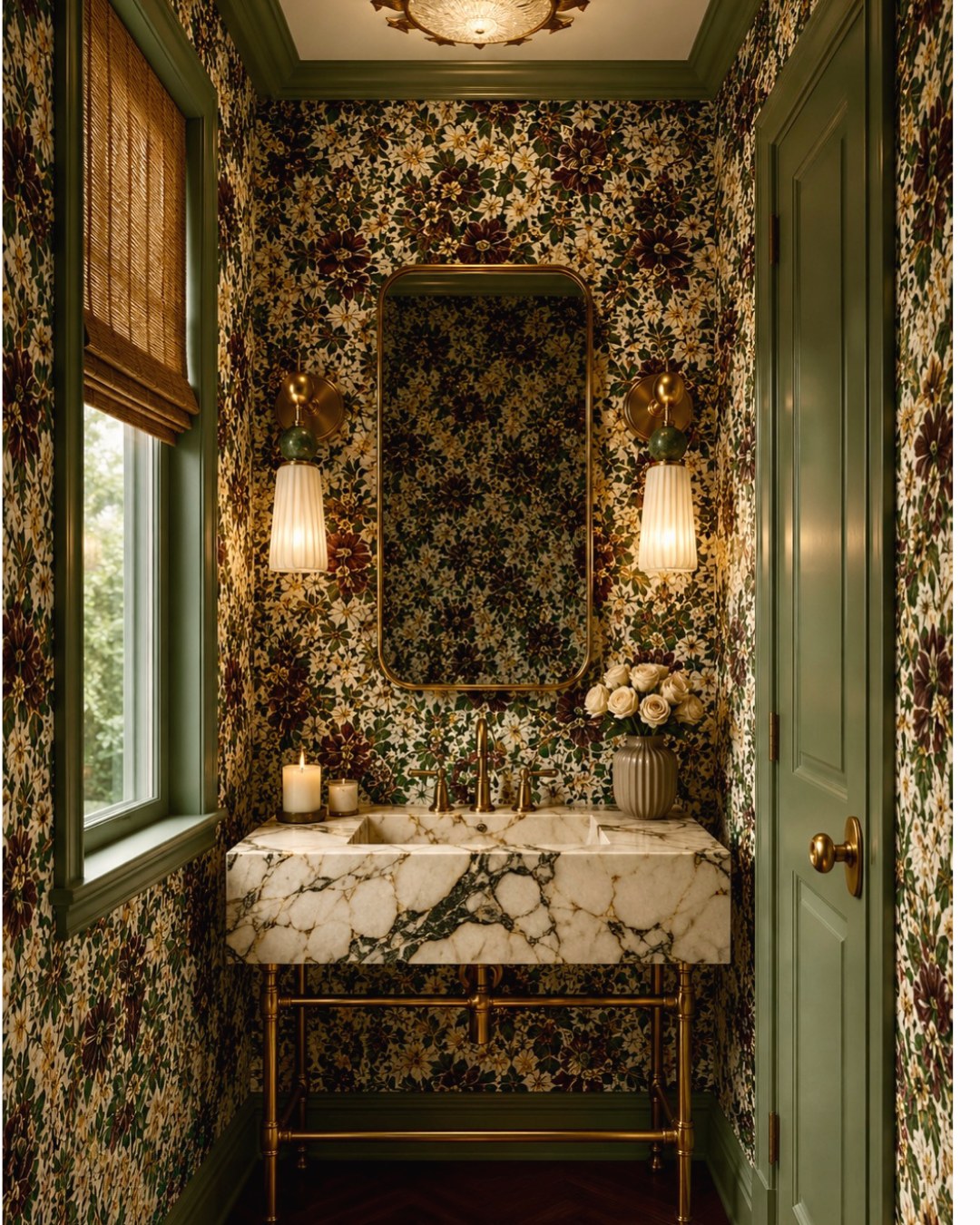
- Where the panelling stops. Chair height, two-thirds up, or not at all. This decision is why some papered rooms look considered and others look papered.
- The colour of the trim. Painting skirting and casings the wall colour, rather than white, stops the room being cut into pieces. It is free, and it is the change most people have never tried.
- Whether the brass is lacquered. Lacquered brass stays bright forever and always looks new. Unlacquered brass darkens and starts to look like it has been there.
- The finish on the hinges. Nobody looks at hinges. Everybody registers them.
- The lining of the lampshade. A shade lined in a warm colour throws warm light. A white-lined shade throws white light. It costs nothing and changes how a room feels at night.
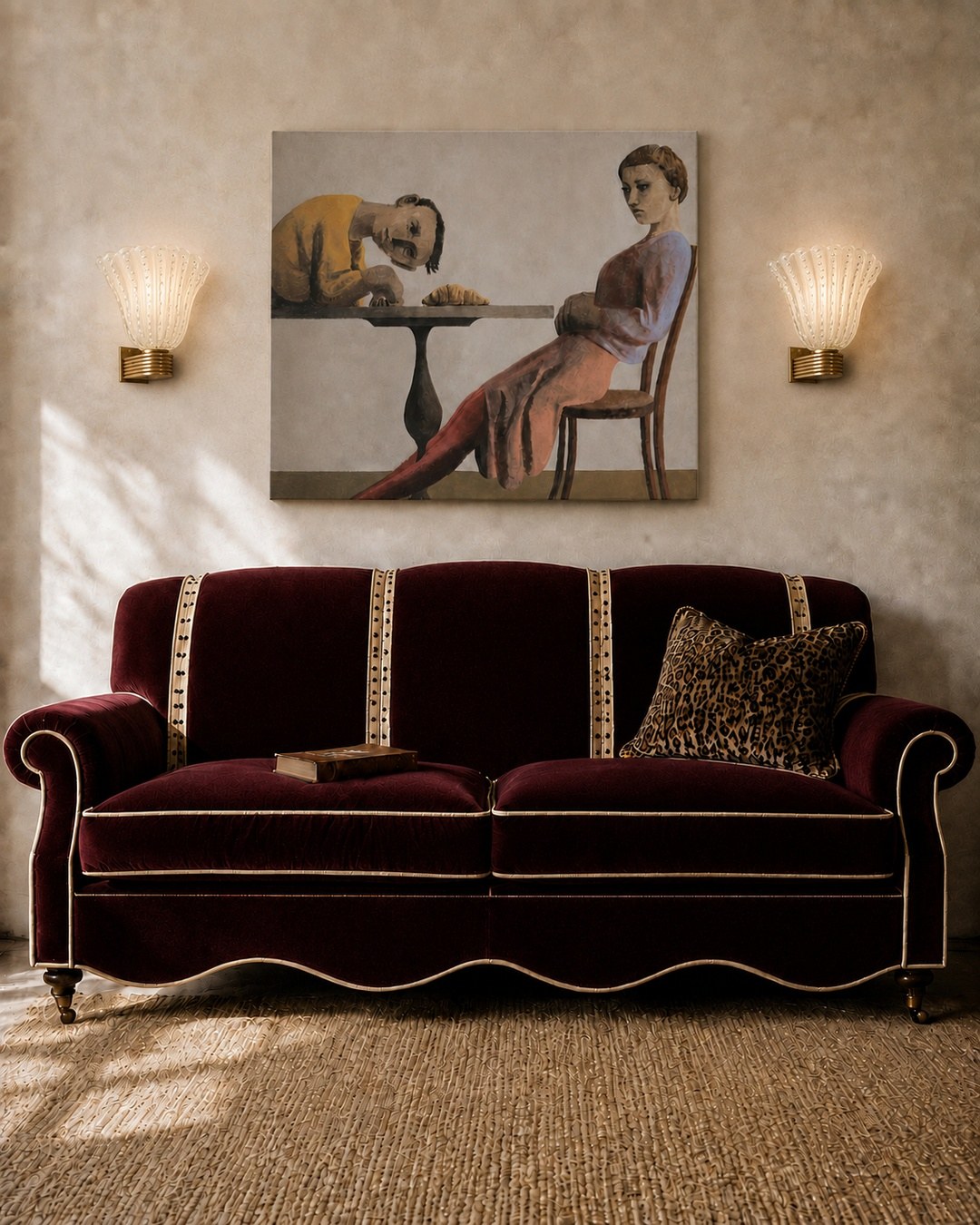
- The piping on the cushion. Contrast piping is the difference between a sofa that was bought and one that was made. It is also the detail that dates least.
- The scale of the pattern. Large-scale pattern in a small room reads as confident. Small-scale pattern in a small room reads as timid.
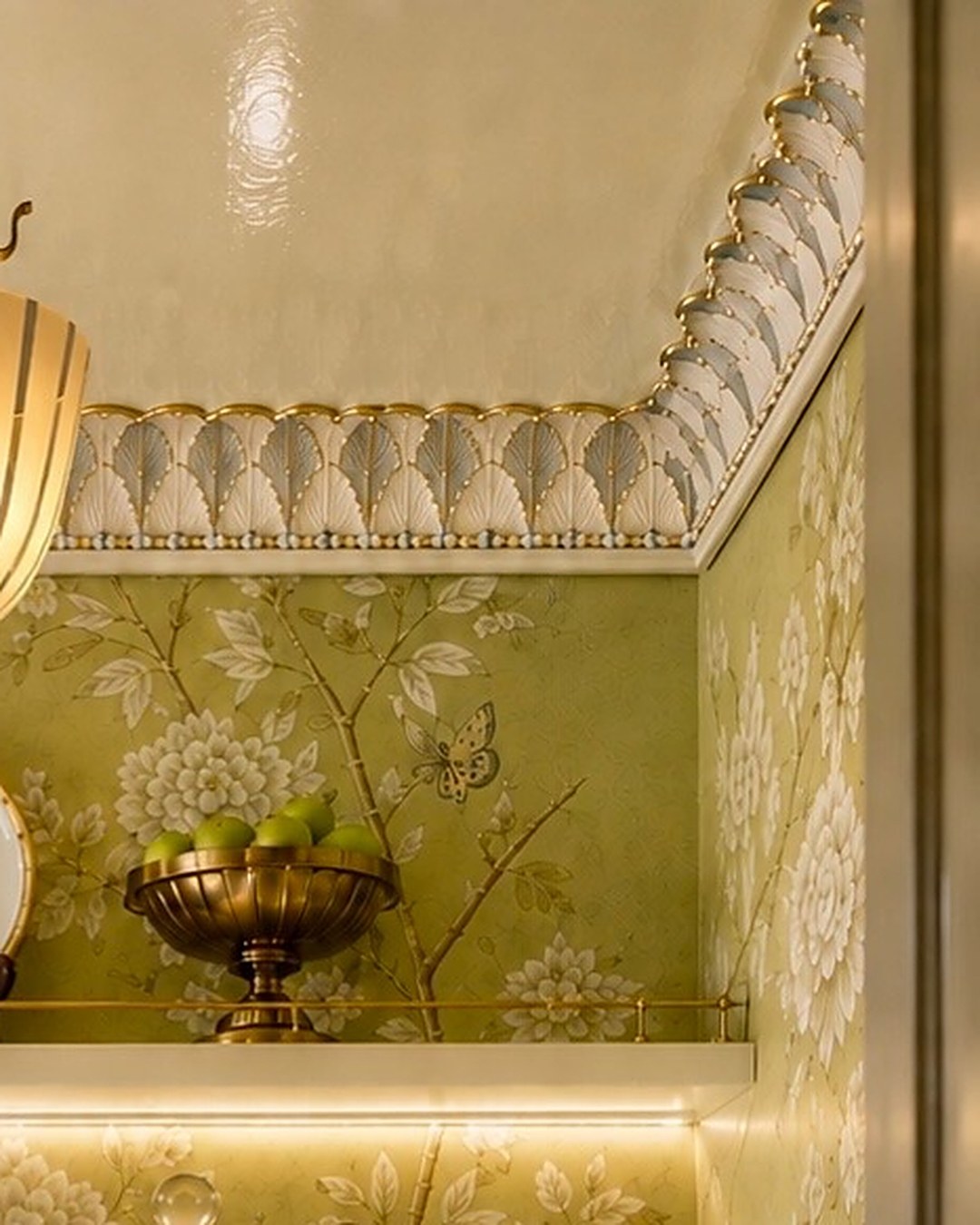
- What colour the ceiling is. Almost always white by default, and almost never should be. See below.
- The height the art hangs at. Most art in most houses is hung too high. Centre it at eye level — roughly 57 inches to the middle — and a room settles instantly.
- Warm bulbs or cool. 2700K, not 4000K. This is the cheapest change on the list and one of the most visible.
- What the floor does at the threshold. Where one material meets another, and whether it is resolved or simply stopped.
- Which piece is the oldest. One genuinely old object gives everything around it a sense of time.
- What you leave out. The hardest one. A room where three materials repeat reads as collected; a room where nine appear reads as accumulated.
The three cheapest changes on this list
If you do nothing else: change the bulbs to warm ones, hang the art lower, and paint the trim the same colour as the walls. None of those cost much. Together they change a room more than a new sofa would.
What actually makes a room look cheap
Not price. Matching sets. Everything bought at once, from one retailer, in one delivery. Flat white ceilings. Overhead-only lighting. Cool-white bulbs. Art hung too high. Rugs too small for the furniture they sit under.
Every one of those is a decision not made rather than money not spent — which is why an expensive room can look cheap, and a room of ordinary things can look expensive.
The one that matters most
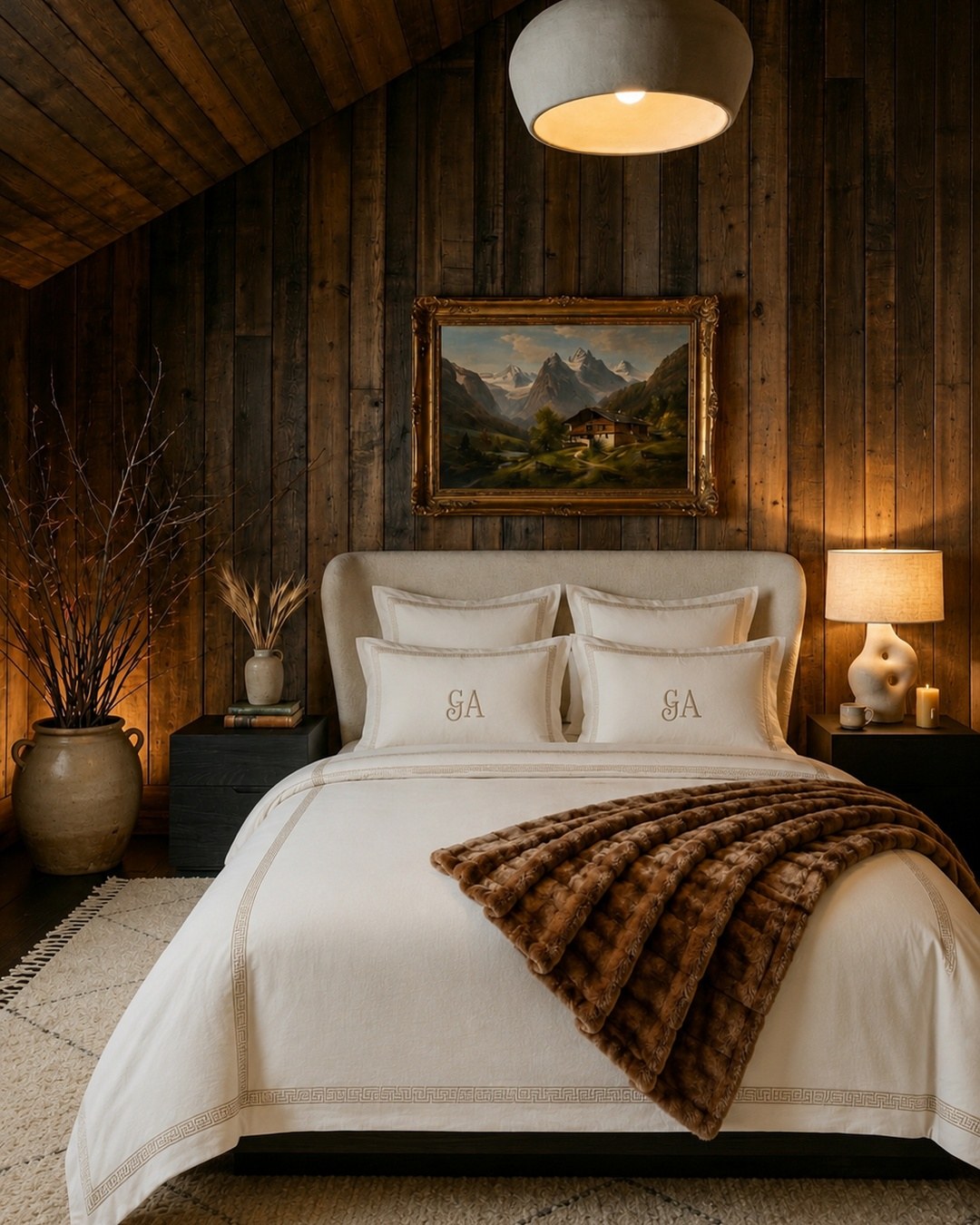
If you take a single thing from this: put one old object in the room. A mirror, a chest, a pair of candlesticks, a painting. A room where every item arrived the same week reads as new, and new reads as cheap. One thing with age in it makes everything around it look collected instead of bought.
If you would rather not make all nineteen
One room, every decision made.
A commission covers all of it — the paper, the paint and its sheen, the trim and where it stops, the lighting and the bulbs, the upholstery and its trim, and a complete shopping list naming every piece with where to find it, antique, vintage and new. From $750, about two weeks.
Enquire about a room →Questions
What is the cheapest way to make a room look expensive?
Warm bulbs, art hung lower, trim painted the wall colour, and one old object. Under a hundred dollars, and more effective than new furniture.
What colour should a ceiling be?
Rarely flat white. A colour drawn from the walls, in satin or gloss, reflects light and makes the room feel considered. In a windowless room a lacquered coloured ceiling roughly doubles the available light.
Does one antique really make a difference?
It is the highest-leverage change in most rooms. One genuinely old object gives everything around it a sense of time.
Do I need expensive furniture?
No. Almost nothing on this list is about the cost of the objects. It is about the decisions made around them.